x
E
F
S
A
N
E
M
E
T
A
L


Articles
Differences Between Powder Coating and Wet Paint Coating
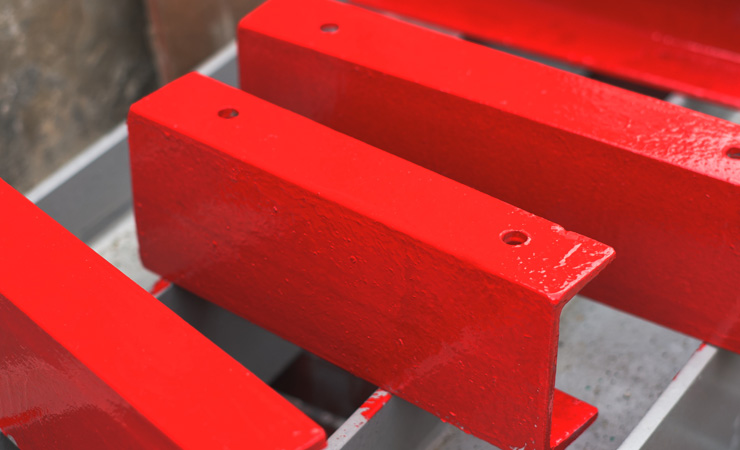
Powder coating and wet paint are two commonly used methods for metal surface coating applications. Although both methods have their advantages and limitations, the reasons for choosing one over the other usually depend on the application area, durability requirements, and aesthetic expectations.
Powder coating is an environmentally friendly coating system that is applied electrostatically to the surface and cured by baking. Wet paint, on the other hand, is applied as a solvent-based or water-based liquid paint and is usually dried by air.
Differences in Performance and Durability
Powder coating is more suitable for outdoor use due to its long-lasting chemical resistance, scratch resistance, and UV protection. Additionally, being solvent-free makes it more environmentally safe.
Wet paint offers detailed application flexibility on complex surfaces and can be preferred for low-volume jobs. However, it may be more susceptible to fading, cracking, and corrosion over time.
Application Process and Economic Impacts
Powder coating applications minimize paint loss and offer recovery options. Wet paint, on the other hand, can result in higher paint consumption and solvent waste.
Powder coating is advantageous in terms of operating costs and environmental impact.- Powder coating is environmentally friendly and solvent-free.
- Wet paint is more flexible for fine workmanship.
- Powder coating cures with baking, making it more durable.
- Wet paint has a natural drying process.
- Powder coating provides thick and uniform coverage.
- Wet paint requires lower equipment costs.
- Powder coating is recoverable with minimal waste.
- Wet paint allows faster color transitions.
- Powder coating is more suitable for outdoor use.
- Wet paint can be preferred for special effects.