x
E
F
S
A
N
E
M
E
T
A
L


Articles
Differences Between Laser Cutting and Plasma Cutting
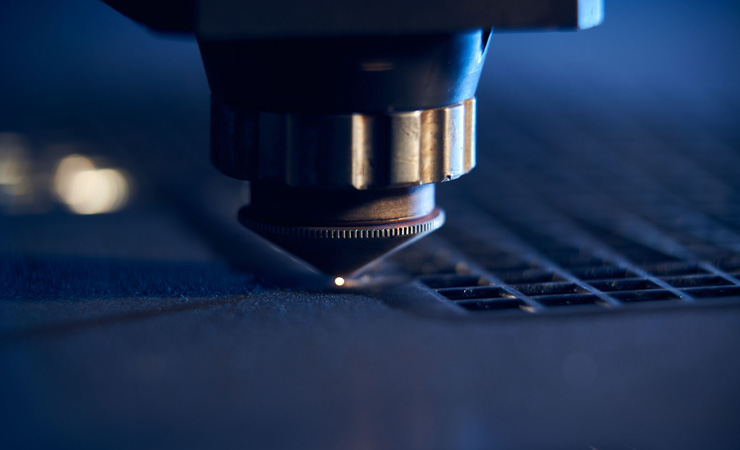
Laser cutting and plasma cutting are two different technologies commonly used in the sheet metal processing industry. While both provide high-precision cuts, they have significant differences in terms of application areas and technical features. Laser cutting works with a concentrated laser beam; plasma cutting melts and cuts metal using ionized gas at high temperatures.
Laser cutting offers high precision on thin and medium-thickness materials; plasma cutting is an economical and fast solution for cutting thicker metal plates. The advantages of both methods should be evaluated according to the production process and material type.
Differences in Cutting Quality and Precision
Laser cutting is a preferred method for projects with tight tolerances. This technology, operated by CNC-controlled machines, stands out with clean edges and minimal burr formation. It offers significant advantages especially in detailed and complex part cutting.
Plasma cutting, on the other hand, provides fast cutting capabilities on thick materials but may produce more burrs and a larger heat-affected zone compared to laser cutting. Therefore, laser cutting is more commonly preferred in applications where surface quality is critical.
Cost and Application Areas Comparison
Plasma cutting machines are generally more cost-effective and have lower maintenance expenses. Therefore, they are widely used in construction, shipyards, and heavy industry sectors.
Laser cutting, on the other hand, is prominent in industries where high precision and aesthetic appearance are required:- Manufacturing of machinery and automotive parts
- Production of electrical panels and cabinets
- Advertising and signage cutting
- Electronics and precision part manufacturing