x
E
F
S
A
N
E
M
E
T
A
L


Articles
Differences Between Fiber Laser and CO₂ Laser Technology
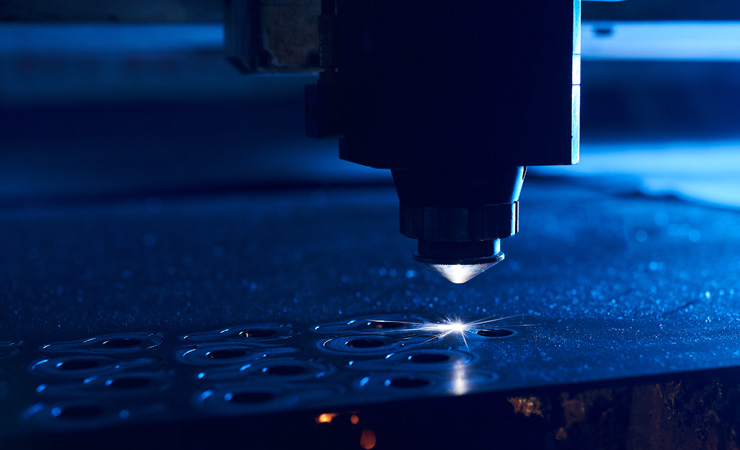
The two most commonly preferred technologies in laser cutting machines are fiber laser and CO₂ laser systems. These two technologies differ in many aspects such as cutting capacity, maintenance requirements, energy efficiency, and material compatibility. When choosing between them, production needs and the types of materials to be cut should be considered.
Fiber lasers stand out with their high efficiency and low maintenance requirements. They offer fast and clean cuts, especially on thin sheet metals. CO₂ lasers, on the other hand, perform better on non-metal materials (such as wood, plexiglass, etc.) but consume more energy and require maintenance of their optical systems.
Cutting Performance and Areas of Application
Fiber lasers demonstrate superior performance especially on conductive metals such as stainless steel, aluminum, brass, and copper. Due to their shorter wavelength, they provide minimal reflection and maximum energy absorption on these types of metals.
CO₂ lasers, on the other hand, are preferred for processing non-metallic materials. They offer a wide range of applications on organic or plastic-based materials such as plexiglass, leather, and MDF. However, in thick metals, they are not as effective as fiber lasers in terms of cutting quality and speed.
Factors to Consider Before Making a Decision
If your business focuses solely on metal cutting, fiber laser offers long-term advantages. However, if you work with both metal and non-metal materials, CO₂ laser systems might be more suitable.
Key differences between the two technologies:- Fiber laser: High speed and efficiency for metal cutting
- CO₂ laser: More flexibility for non-metal materials like acrylic and wood
- Fiber laser: Low maintenance and energy costs
- CO₂ laser: Higher maintenance needs, more optical components
- Fiber laser: Longer-lasting laser source