x
E
F
S
A
N
E
M
E
T
A
L


Articles
Which Materials Can Be Cut by Laser Cutting?
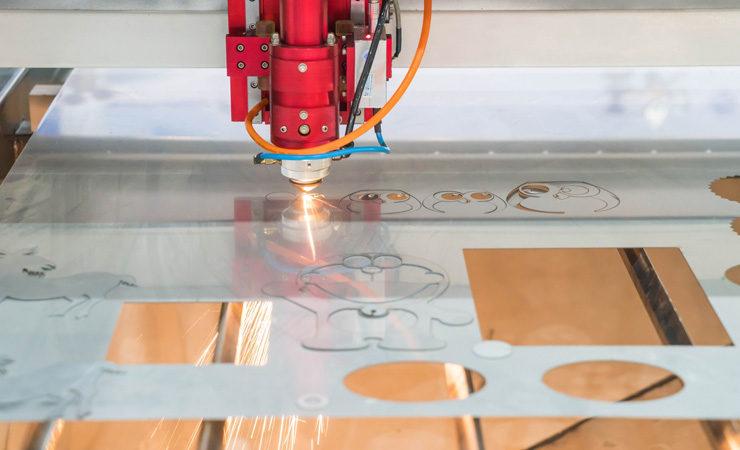
Laser cutting technology offers the capability to make high-precision cuts on a wide range of materials. Especially in the sheet metal processing sector, laser cutting can be used on many types of metals such as steel, stainless steel, aluminum, copper, and brass. The thickness and reflectivity of the material affect cutting performance depending on the laser type and machine used.
Materials like stainless steel and aluminum respond well to the laser beam, while fiber laser is recommended for highly reflective metals such as copper and brass. Additionally, surface-treated metals like galvanized sheet, DKP sheet, and HRP sheet can also be successfully cut with careful parameter adjustments.
Laser Cutting on Non-Metal Materials
Laser cutting is not limited to metals only. Especially with CO₂ laser machines, materials such as wood, MDF, acrylic (plexiglass), plastic derivatives, leather, and fabric can also be cut. Thanks to the low melting points of these materials, very clean and detailed cuts can be achieved with laser cutting.
However, it is important that the material does not contain components that emit toxic gases. Some plastics like PVC may release harmful gases when cut with laser; therefore, careful consideration must be given when selecting materials.
Maximum Efficiency with Proper Material Selection
Efficiency and quality in laser cutting are directly related to the correct choice of material. Processes performed with high-quality and laser-compatible sheets provide advantages in both time and cost.
Common materials that can be cut with laser include:- Stainless steel
- Aluminum and its alloys
- Galvanized and painted sheets
- Copper and brass (with fiber laser)
- Wood, MDF, plywood
- Acrylic (plexiglass) and polycarbonate
- Leather and synthetic fabrics