x
E
F
S
A
N
E
M
E
T
A
L


Articles
What Thickness of Material Can Be Cut by Laser Cutting?
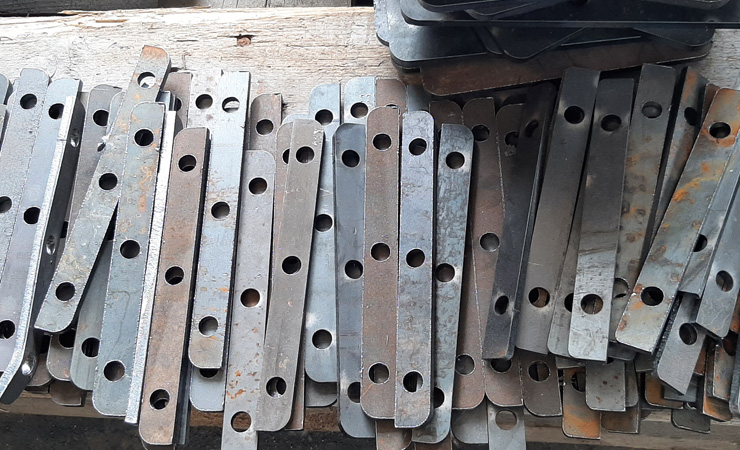
Laser cutting technology caters to a very wide range of material thicknesses. However, the maximum thickness that can be cut varies depending on the type of laser used, machine power, and material type. Generally, laser cutting machines that work with high precision on thin sheets can also deliver successful results on thick materials.
With fiber laser machines, cutting stainless steel is possible from 0.5 mm up to 25 mm, while for carbon steel this value can reach up to 30 mm. For reflective metals like aluminum and copper, clean cuts are achievable up to a thickness range of 10-15 mm. The thickness limit is lower for CO₂ lasers.
Relationship Between Machine Power and Thickness
The source power used in laser cutting machines (for example, 2kW, 4kW, 6kW, etc.) is directly related to the thickness that can be cut. As the power increases, it becomes possible to cut thicker materials faster and cleaner. However, factors such as reduced cutting speed and increased heat input should be considered as the material thickness increases.
Additionally, the choice of gas (nitrogen, oxygen, or air) can affect the thickness limit. For example, cutting with nitrogen offers cleaner edges, while oxygen allows cutting thicker sheets but may cause an oxide layer on the cut surface.
Factors Affecting Quality
As the material thickness increases, quality issues such as burr formation on cut edges, burn marks, or surface distortions may occur. Therefore, correct adjustment of machine parameters is critically important.
Key points to consider according to cutting thickness:- High precision and low energy use on thin sheets
- Optimal speed and gas pressure for medium thicknesses
- Lower speed and powerful laser source for thick sheets
- Monitoring of cut surface quality
- Proper cooling and adjustment to prevent burr formation